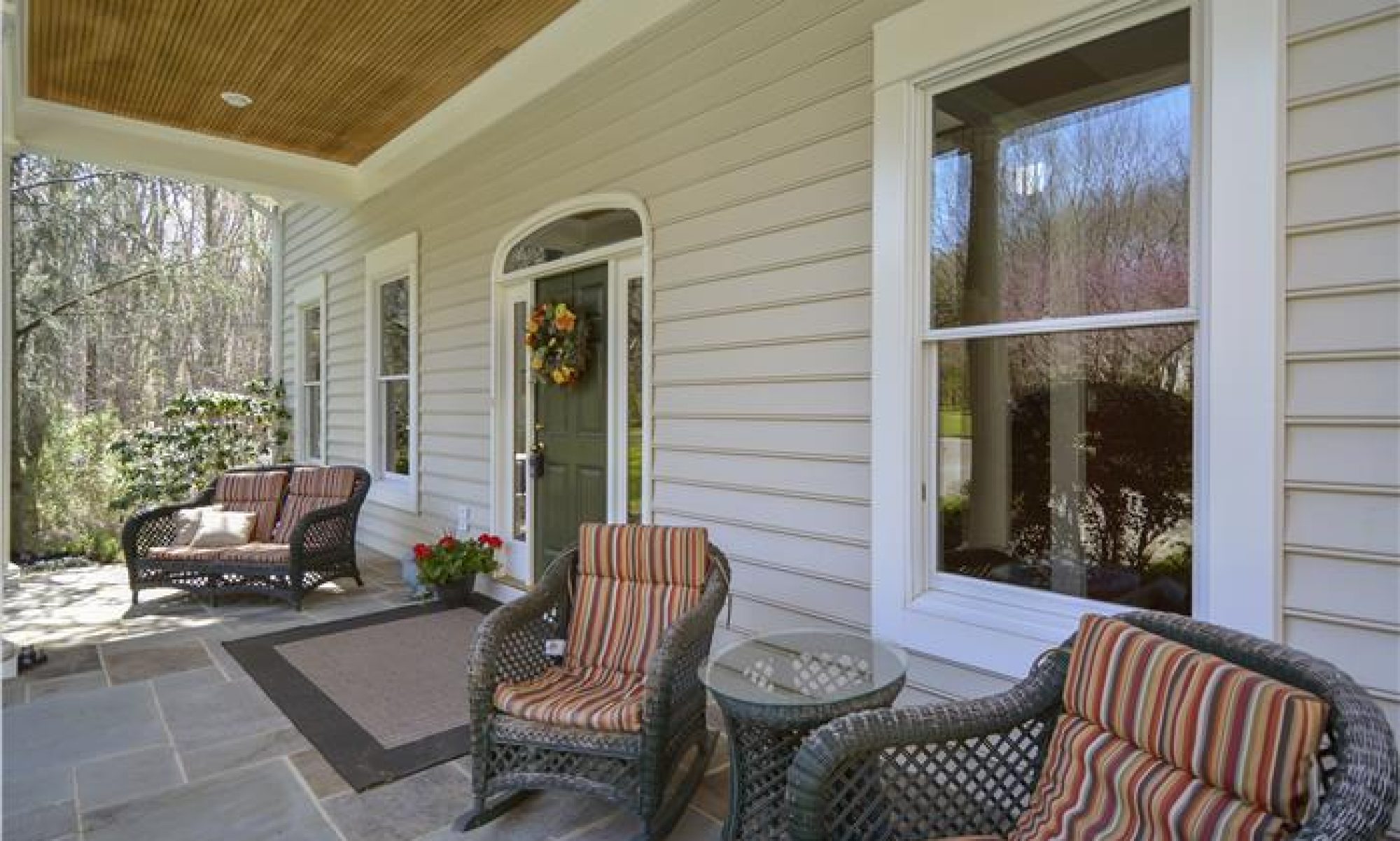
Getting home buyers into your listing – sellers and agents take note

Bethesda Real EstateSome economists have discussed how consumers are increasingly “shopping” rather than buying. And this is evident in the housing market, where home buyers have become overly discerning about their purchases. After what seemed to be a brief seller’s market, we find ourselves slipping back into a buyer’s market; and an old dilemma is reemerging: how are you going to get more buyer traffic and more offers on your home?

If your home has been on the market for while, check with your agent to review feedback from those who visited your home. Typical responses focus on price, home condition, and how the home shows. If you’re about to list your home, have some neighbors and friends tour the home (as if they were home buyers) to provide an alternate perspective of your home’s selling points and shortcomings.

Pricing your home correctly is critical to selling in a reasonable time frame. Your agent should keep you up to date with neighborhood sales activity, so you can remain competitive with other relevant listings. Recent neighborhood sales trends (1-3-6 months) can indicate where your price range should fall, as well as understanding the types of homes that are selling.

One of the main objections you may have heard from home buyers, is that your home “needs work,” which has a number of meanings. Of course, it may mean your home does need updating and/or repairing; in which case you should discuss with your agent about the possibility of making updates/repairs, and/or adjusting the price to reflect any needed updates/repairs. Before you decide to go all out on a renovation, consider making updates that are equivalent to your neighborhood and price range; over spending may not significantly increase your home value. If your home is updated and shows well, another meaning of “needing work” comes from the buyer wanting a turn-key home; and your updates/renovations do match their tastes and preferences.


Another issue to consider is that although your home may be updated and clean, you just may have too much stuff! Lots of furniture, wall hangings, and other stuff can make large rooms feel cramped and small, as well as give a busy and unsettling vibe. If this sounds like your home, consider removing items that can distract and detract from your home’s true elegance and style.

If your home is not getting many showings, another factor to address (independent of price, condition and clutter) is how your home is marketed. If you haven’t done so, look at your MLS listing; are you satisfied with the pictures, and remarks? Keep in mind that about 96% of home buyers search online and make decisions based on what they see and read. Home sellers, like you, are savvy and know that solely hanging a sign and posting a MLS listing is no longer acceptable to market a home. Ask your agent to update you on active marketing efforts, as well as other resources that may be used to market your home, including: local and global networks of agents and buyers; as well as using the internet and SEO (search engine optimization) to get buyers interested in your home.

If you’re home has been on the market for a while, you might consider addressing any of these issues to boost home buyer activity. If you’re considering a sale in the near future; have a plan of action before you list, so your sale does not languish.

© Dan Krell
Google+

Protected by Copyscape Web Plagiarism Detector
Disclaimer. This article is not intended to provide nor should it be relied upon for legal and financial advice. Readers should not rely solely on the information contained herein, as it does not purport to be comprehensive or render specific advice. Readers should consult with an attorney regarding local real estate laws and customs as they vary by state and jurisdiction. Using this article without permission is a violation of copyright laws.

Challenges of selling a home during the summer

summer home sale

If you were selling your home several years ago, you might have been thinking of ideas how to attract home buyers to your home. Even though the feeling today is such that you don’t have to do much to sell your home, some home sellers are shocked to find out that there is more to selling today than just putting a sign up in the yard – and summertime selling poses additional challenges.

First, get the price right. As I wrote earlier this year, pricing a home is extremely important even when there appears to be a positive selling cycle. Even though you decide on the list price, you have to be realistic about your home’s value; your real estate agent can assist you in deciding on a list price by preparing a market analysis with recent (within the last six months) neighborhood homes that are comparable to yours.

Next, remember that de-cluttering is the foundation to your home’s presentation. Whether you are a pack rat or a neat freak, chances are that your home could use some de-cluttering. De-cluttering shouldn’t be thought of as getting rid of everything you don’t need in the home, but instead could be thought of as a way to neutralize and free up space to allow home buyers to imagine how they could live in the home.

Another factor to consider during a summer home sale is your home’s curb appeal. The basics of curb appeal include attending to the home’s landscaping and grading, siding, deck, driveway and sidewalks.

We tend to get lazy about tending to the yard during the hot and humid summer months; however, if you’re planning a summer sale, it is not the time to let the lawn and weeds overgrow. Simple landscaping can make your lawn appear manicured. Trees properly trimmed away from the home will allow your home to be seen from the street as well as not be “crowded” by overhanging limbs. Neatly trimmed and properly placed shrubs and flower beds will not only look beautiful, it will enhance your home’s façade. Also, check that the grading around your home diverts storm water away from the foundation. Hiring a professional landscaping company to tend to your yard is the way to go if the heat and/or activity pose a health hazard.

Take a close look at the exterior of the home. If the exterior does not need painting, look for areas that may be peeling or bare. Decks, fascia boards and window trim are often made of wood and typically need more attention (even if your siding is made of brick or artificial materials). Consider having the deck and siding power washed to remove dirt, algae or mold. Additionally, resealing the deck and other exterior wood trim enhances the home’s curb appeal.

Sidewalks and driveways are often given the short shrift. Cracked sidewalks and driveway are not only unsightly, they can also be a trip hazard. Repairing and/or sealing the walkways and driveway can not only increase safety – it can improve the appearance of your home.

Finally, how cool is your home? An air conditioning system that does not keep your home cool is a buyer deterrent – especially in the hot summer months. If you don’t have the air conditioning system serviced on a regular basis, you should consider doing so before listing your home this summer.

Protected by Copyscape Web Plagiarism Detector

by Dan Krell
Copyright © 2013

This article is not intended to provide nor should it be relied upon for legal and financial advice. Using this article without permission is a violation of copyright laws.

When is best time to sell a home

Housing Market

Buyers aren’t the only ones looking for a deal.  Home sellers are also looking for a good deal – which means they want to sell their home for the most money.  As it seemed as if the housing market had strong sales this year, some sellers are still trying to decide the best time to sell.  But unfortunately, timing the market may not be as easy as it seems.

Some say that spring is the best time of year to list and sell a home, while others believe that summer is better.  Old time real estate agents will tell you about a time when there was a traditional selling season, which basically started in March and ran through June.  In recent history, it seems as if the boom/bust market from 2005-2008 rewrote those rules.  During the “go-go” market, the spring selling season couldn’t start early enough; home buyers made their New Year’s resolutions and shook off the winter fog in early January to begin their home search.  For several years, it seemed as if home buyers started their real estate searching earlier each year to stake their claims on real estate before other buyers got wind of the listing.

However, once the bubble busted, home buyer activity significantly slowed, those who wanted to buy a home became increasingly methodical about their purchase as well as starting their search later in the year.  It seemed as if the best time to list and sell shifted from the spring time to summer months.

Since the downturn of the housing market, sales activity peaked in the summer months.  June has been a consistent contender for year high sale totals – until this year.  The July 22nd news release from the National Association of Realtors® (realtor.org) indicated that June sales “slipped” about 1.9% from May.  Granted, June’s sales are significantly higher than June of 2012, but the slowdown may just be a fluke or an indication of something else.

Maybe the combination of increased inventory (NAR reported that housing inventory was slightly elevated from May to about a 5.2 month supply) along with rising mortgage rates (Freddie Mac’s June national average commitment rate for a 30-year fixed rate mortgage rose to 4.07%) is making home buyers pause.

And surely home prices are making buyers have second thoughts; bargain hunters are having difficulty finding bargains.  June’s national median existing home sale price increased 13.5% compared to last June.  Distressed home sales, foreclosures and short sales that typically sell at lower prices, accounted for 15% of June’s figures (compared to last June’s 26%) and are at the lowest levels since 2008.  And although it may sound like great news, the double-digit jumps in the average home sale price may be a statistical artifact due to declining distressed home sales.

If you’re waiting to list your home for sale this year, you may have mistimed this year’s market.

Research has demonstrated that attempting to time the market may not always yield the best results – timing the market is much easier in hind sight.  Market timing appears to be much more than looking at selling activity cycles.  You should rely on the expertise of your real estate professional for neighborhood sales data and trends to assist you in deciding the price and the timing of listing and selling your home.

Protected by Copyscape Web Plagiarism Detector

This article is not intended to provide nor should it be relied upon for legal and financial advice. Using this article without permission is a violation of copyright laws.

By Dan Krell
Copyright © 2013

Home staging for a home sale

by Dan Krell © 2013
Google+
DanKrell.com

stage your home to sell itAs the real estate market is emerging and more homes are listed for sale, staging a home is once again becoming a popular topic of conversation. Home staging is often thought of as a fancy name for decorating or cleaning a home prior to it being sold.  In fact, “home staging” is a term that is used to describe the process of preparing your home for sale that goes beyond normal maintenance.  The purpose of “staging” is to make your home as appealing as possible to potential home buyers so your home can sell quickly.  Surveys conducted by the Accredited Staging Professionals a (StagedHomes.com) and Homegain (Homegain.com) indicate that staged homes sell faster than non-staged homes.

Although home staging has been around for over thirty years, it only gained wide acceptance this last decade. Many home staging techniques are derived from interior design; home stagers often sketch rooms to analyze the best use of space.

Staging your home’s exterior is just as important as staging the interior because a home buyer’s mood is set by their first impressions. You should consider the condition of your home’s landscape, façade, roof and gutters. Unkempt flower beds and cracked walkways can quickly give the impression that the home is in disarray. Additionally, missing shingles and misaligned gutters give the impression that the home has been poorly maintained.

The basics of home staging include de-cluttering, rearranging, and sometimes redecorating. Home sellers often have tunnel vision about their homes. Removing the clutter of your daily life from your home is the cornerstone to home staging. De-cluttering goes beyond cleaning and storing unused items. Because home buyers can get distracted by the home seller’s lifestyle when viewing a home, home stagers talk about “depersonalizing” a home.

You may have spent years making your home personal to your lifestyle, however now that you are selling it you need to depersonalize it. Depersonalization means to neutralize your home by removing as much of your lifestyle as possible from the home so anyone can feel as if this could be their home. Personal items, such as family photos, can focus the home buyer’s attention on your lifestyle and away from the home.

Additionally, the layout of each room needs to be considered so it feels bright and roomy. Properly placed furniture can assist home buyers to feel at ease and “at home.” Too much furniture in any room tends to make a large room look small and feel cramped. Additionally, misplaced furniture can make a room feel awkward and unsettling.

Let’s face it, sometimes a room needs a makeover. However, redecorating does not have to be an expensive affair. Sometimes having an extra lamp or even painting a wall can make the difference between shabby and chic. If your furniture is out of date or in poor condition, inexpensive furniture rentals can be a short term solution.

If your home vacant, staging each room tastefully can possibly facilitate a sale. An Appraisal Institute study indicated that a decorated home sells faster than an empty home.

Although many real estate agents have been certified in home staging, professional home stagers usually have a background in interior design. The International Association of Home Staging Professionals (IAHSP.com) is a source of information about home staging, including tips on staging your home as well as finding a home staging professional.

More news and articles on “the Blog”
Protected by Copyscape Web Plagiarism Detector
This article is not intended to provide nor should it be relied upon for legal and financial advice. This article was originally published the week of July 1, 2013 (Montgomery County Sentinel). Using this article without permission is a violation of copyright laws. Copyright © 2013 Dan Krell.

Handling home buyer feedback

home buyer feedbackYou’ve spent months preparing your home by de-cluttering, painting, and maybe even making renovations; the last thing you want to hear are objections from home buyers why the home is not suitable for them. Obviously, you’ve had years of enjoyment and you’re thinking about all the benefits the home offers. However, getting honest home buyer feedback when they visit your home is invaluable information to help get your home sold.

Asking for home buyer feedback is one of the tasks that your agent performs throughout the listing period. However, soliciting feedback from agents who bring buyers to your home is often hit or miss; although many agents offer good and honest feedback, just as many don’t respond (for various reasons) to feedback requests unless their buyers are interested in the home. Additionally, home buyer feedback is solicited when they visit open houses and includes questions such as: “What do you find most appealing about the home?”; “What do you find least appealing about the home?”; and “Is the home priced right?”

Ok, it’s nice to hear the good things people have to say about your home; these are obvious benefits and what others find appealing. Buyers may list various home features, upgrades, and/or renovations as appealing or beneficial; but it is also important to put weight on the negative feedback too. All the de-cluttering and neutralizing can make a home look good, but it may not change home features that do not fit other’s needs. Likewise, making cosmetic and minor repairs also increases your home’s appeal; but may not make obsolete systems acceptable.

One of the most common pieces of feedback you might encounter is about the home’s price. Since home buyers typically view similar homes, you get perspective about how you priced your home compared to other similar homes. If there is overwhelming feedback that the home is overpriced, then you should consider reviewing additional comps with your agent and correct the price as needed. It is also not uncommon that buyers may feel that the home is priced well, but for various reasons they are not interested in making an offer.

Keep in mind that the feedback you will receive is subjective and offered from various points of view, so don’t be surprised with seemingly contradictory objections from different home buyers. Some objections can be addressed readily while others cannot.

For example, objections about the size and/or location of the home or yard are not easily overcome; and it may be that buyers offering such objections are looking at the wrong home. However, objections about shabby flooring or lack of updates can be addressed by either taking action or changing the list price to reflect the home’s condition.

Sometimes in pushing their client’s limits, home buyer’s objections may actually be a commentary on their limitations rather than the home’s attributes. In the hopes of getting a great deal, buyers are taken to view homes that are out of their price range and/or in need of updates they cannot make.

Buyer and agent feedback is the easiest way to gauge how your home is positioned in comparison to your competition on the market. Clearly, the home’s positive attributes and benefits should be highlighted as these items would be appealing to home buyers. However, buyer objections should also be considered and addressed if possible to help facilitate a sale.

Original located at https://dankrell.com/blog/2013/05/31/handling-buyer-feedback-and-objection-for-home-sellers/

By Dan Krell

This article is not intended to provide nor should it be relied upon for legal and financial advice.  Using this article without permission is a violation of copyright laws. Copyright © 2013 Dan Krell.